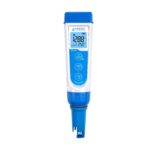
In your quest for accurate and reliable measurements, there are 5 specific situations where a conductivity meter becomes your indispensable tool. Whether you’re testing water quality in an aquarium, analyzing the concentration of chemicals in a laboratory, or monitoring the purity of your drinking water, a conductivity meter provides you with the accurate data you need. With its ability to measure the electrical conductivity of a solution, this device is not only essential for ensuring safety and efficiency but also for maintaining the optimal conditions in various industries. So, let’s explore the 5 situations where a conductivity meter is absolutely essential.
Water Quality Testing
Water quality testing is essential to ensure the safety and purity of our drinking water. By monitoring the quality of our drinking water, we can identify any potential contaminants or pollutants that may pose a risk to human health. This is done through the use of conductivity meters, which measure the conductivity of water to determine its overall purity. Conductivity meters are used to assess the concentration of dissolved solids in water, which can be an indicator of pollution or contamination.
Monitoring Drinking Water
In order to ensure that our drinking water is safe to consume, it is important to regularly monitor its quality. By using a conductivity meter, you can measure the electrical conductivity of the water, which provides valuable information about its purity. High conductivity levels may indicate the presence of pollutants, such as heavy metals or chemicals, that can be harmful to human health. By regularly monitoring the conductivity of drinking water, we can quickly identify any potential issues and take appropriate actions to address them.
Assessing Water Pollution
Conductivity meters are also important tools in assessing water pollution. By measuring the conductivity of water in specific areas, environmental scientists can identify pollution hotspots and track the movement of pollutants over time. This information allows them to develop strategies for mitigating pollution and protecting vulnerable ecosystems. Conductivity measurements can be used in conjunction with other water quality parameters, such as pH levels and dissolved oxygen levels, to paint a comprehensive picture of water pollution and its impact on the environment.
Testing Soil Salinity
In addition to monitoring water quality, conductivity meters are also used to test soil salinity. High levels of salinity in soil can have detrimental effects on plant growth and crop yields. By using a conductivity meter, farmers and agricultural scientists can measure the electrical conductivity of the soil, which provides information about the concentration of dissolved salts. This information allows farmers to take appropriate actions to manage soil salinity, such as adjusting irrigation practices or using soil amendments. Conductivity meters are invaluable tools for maintaining healthy soil and maximizing agricultural productivity.
Industrial Processes
The use of conductivity meters is not limited to environmental monitoring and agriculture. They also play a crucial role in various industrial processes, where precision and quality control are of utmost importance.
Monitoring Chemical Solutions
In industries such as chemical manufacturing and laboratory research, the accurate measurement of conductivity is essential for monitoring the quality and concentration of chemical solutions. Conductivity meters allow scientists and technicians to ensure that the solutions they are working with meet the required specifications. By regularly monitoring conductivity, any variation or deviation from the desired levels can be immediately identified, allowing for timely adjustments and maintaining the integrity of the chemical processes.
Controlling Electroplating Baths
Electroplating is a common process used in industries to coat one metal onto another. The quality of the electroplating bath, which contains the metal ions necessary for the process, greatly affects the final product. Conductivity meters are used to measure the conductivity of the electroplating bath, which indicates the concentration and effectiveness of the metal ions. By closely monitoring the conductivity, technicians can ensure that the electroplating process is efficient and consistently produces high-quality plated products.
Quality Control in Pharmaceuticals
In the pharmaceutical industry, quality control is of paramount importance to ensure the safety and efficacy of medications. Conductivity meters play a crucial role in this process by allowing pharmaceutical manufacturers to monitor the purity and consistency of their products. By measuring the conductivity of pharmaceutical solutions, any variation or contamination can be detected and addressed, ensuring that only high-quality medications are released to the market. Conductivity meters are valuable tools for maintaining strict quality control standards in the pharmaceutical industry.
Agriculture and Aquaculture
Agriculture and aquaculture are heavily dependent on the quality of soil and water. Conductivity meters are instrumental in assessing and managing the nutrient levels in soil, monitoring hydroponic systems, and ensuring the water quality in fish farms.
Measuring Nutrient Levels in Soil
Conductivity meters are used to measure the electrical conductivity of soil, providing valuable information about its nutrient content. This allows farmers and agronomists to determine the fertility of the soil and make informed decisions regarding fertilization and nutrient management. By regularly monitoring soil conductivity, farmers can optimize their nutrient application strategies, ensuring that crops receive the appropriate amount of nutrients for healthy growth and maximum yields.
Monitoring Hydroponic Systems
Hydroponic systems, which grow plants using nutrient-rich water instead of soil, require careful monitoring to maintain optimal nutrient levels. Conductivity meters are used to measure the electrical conductivity of the hydroponic solution, allowing growers to assess the nutrient concentration and adjust as needed. By closely monitoring conductivity levels, hydroponic farmers can ensure that their plants receive the necessary nutrients for healthy growth and development, leading to higher crop yields and overall system efficiency.
Assessing Water Quality in Fish Farms
Fish farms, also known as aquaculture facilities, rely on maintaining a clean and healthy environment for their fish stocks. Conductivity meters are used to assess the water quality in fish farms by measuring the electrical conductivity of the water. This provides valuable information about the concentration of dissolved solids and any potential pollutants. By regularly monitoring conductivity levels, fish farm operators can quickly identify any issues, such as high nutrient levels or contamination, and take prompt actions to mitigate them. Conductivity meters are indispensable tools for ensuring the well-being and profitability of fish farming operations.
Environmental Monitoring
Conductivity meters are widely used in environmental monitoring to track changes in river conductivity, assess groundwater contamination, and monitor industrial runoff.
Tracking Changes in River Conductivity
Rivers are vital water sources that support diverse ecosystems and provide drinking water for communities. Conductivity meters are used to track changes in river conductivity, which can indicate variations in water quality and pollution levels. By monitoring conductivity levels at different points along a river, environmental scientists can identify pollution sources, track the movement of pollutants, and assess the overall health of the river ecosystem. Conductivity measurements provide valuable insights into the impact of human activities on rivers and help guide conservation and restoration efforts.
Assessing Groundwater Contamination
Groundwater is a crucial source of drinking water for many communities, and it is susceptible to contamination from various sources, including industrial activities and agricultural practices. Conductivity meters are used to assess groundwater contamination by measuring the electrical conductivity of the water. High conductivity levels can indicate the presence of contaminants, such as chemicals or heavy metals, that can leach into the groundwater. By regularly monitoring conductivity in groundwater wells, environmental authorities and water management agencies can identify contamination issues and implement remediation actions to protect public health.
Monitoring Industrial Runoff
Industrial activities often generate runoff that can contain pollutants and pose a threat to surrounding water bodies. Conductivity meters are used to monitor the electrical conductivity of industrial runoff to identify potential pollution events and track changes over time. By measuring conductivity levels, environmental regulators can quickly determine if the runoff contains contaminants and take appropriate actions to mitigate its impact. Conductivity measurements are crucial in ensuring that industrial activities are conducted in an environmentally responsible manner, minimizing harm to aquatic ecosystems.
Research and Development
Conductivity meters are indispensable tools in research and development, where scientists and researchers conduct various experiments and analyze electrolytes.
Conducting Electrochemical Experiments
In the field of electrochemistry, conductivity meters are essential for conducting experiments and analyzing the characteristics of electrolytes. Electrolytes are substances that conduct electricity when dissolved in water or molten state, and their conductivity provides crucial information about their chemical properties. Conductivity meters enable researchers to measure and monitor the electrical conductivity of electrolytes, allowing for precise control and analysis of electrochemical reactions. Whether in the development of new batteries, fuel cells, or other electrochemical systems, conductivity meters are essential tools for advancing research in this field.
Investigating Ionic Strength
Ionic strength refers to the concentration of ions in a solution and is an important parameter in various scientific disciplines, including biochemistry and molecular biology. Conductivity meters are used to measure the electrical conductivity of solutions, providing information about the ionic strength. This data is essential for understanding and predicting the behavior of ions in solution, such as their interactions with proteins or DNA. By accurately measuring conductivity, researchers can investigate how changes in ionic strength affect biological processes and contribute to scientific advancements.
Analyzing Electrolytes
Conductivity meters play a vital role in the analysis of electrolytes, which are essential for various applications, including energy storage and chemical synthesis. By measuring the conductivity of electrolyte solutions, researchers can determine the concentration and behavior of ions, providing valuable insights into their chemical properties. This information is crucial for optimizing electrolyte formulations and developing efficient and sustainable technologies. Conductivity meters enable precise and reliable analysis of electrolytes, supporting advancements in areas such as battery technology, renewable energy, and materials science.
In conclusion, conductivity meters play a crucial role in various fields and applications, from monitoring water quality to conducting research and development experiments. These versatile instruments allow scientists, researchers, and professionals to gather essential data about conductivity, which in turn provides valuable insights into the purity, quality, and chemical behavior of substances. Whether it’s ensuring safe drinking water, controlling industrial processes, optimizing agricultural practices, monitoring environmental health, or advancing scientific research, conductivity meters are essential tools for a wide range of applications.