Imagine being able to accurately measure and monitor the flow of water in your home or business with ease. Introducing the revolutionary Water Flow Meter – a simple yet powerful device that provides precise measurements, giving you complete control over your water consumption. Whether you’re an environmentally conscious individual looking to minimize waste or a business owner seeking to optimize water usage, this innovative tool is designed to meet all your needs. With its user-friendly interface and advanced technology, the Water Flow Meter is set to revolutionize the way we monitor and manage water flow. Say goodbye to guesswork and hello to efficiency with this game-changing device.
What is a Water Flow Meter?
Definition
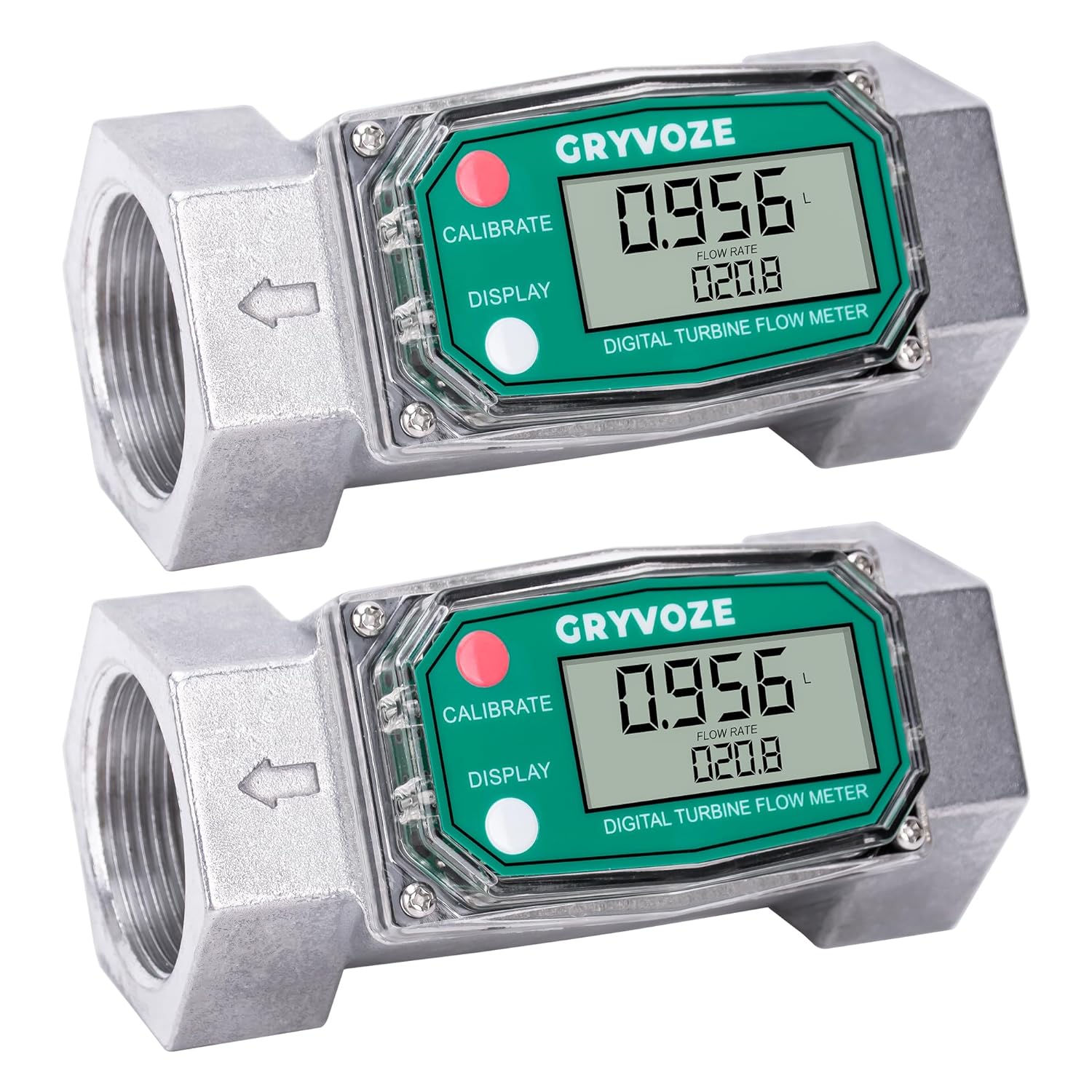
A water flow meter is a device used to measure the rate at which water flows through a pipe or channel. It provides accurate information about the volume of water passing through a particular point in a given time period. These meters are commonly used in residential, commercial, and industrial settings to monitor water usage, conserve water, and identify leaks or inefficiencies.
Importance
Water flow meters play a crucial role in various applications. They provide real-time data on water consumption, allowing individuals and organizations to monitor their usage and make informed decisions about conservation. These meters also help identify leaks or inefficiencies in the water distribution system, which can lead to significant water and financial losses if left undetected. By measuring the flow of water accurately, flow meters contribute to a more sustainable use of this precious resource.
Types of Water Flow Meters
There are several different types of water flow meters available, each with its own principles of operation, advantages, and limitations. Here are some of the most common types:
Differential Pressure Flow Meters
Differential pressure flow meters operate based on the difference in pressure across a constriction in the flow path. This pressure difference is directly proportional to the flow rate. Some examples of differential pressure flow meters include orifice plate, Venturi tube, and flow nozzle. These meters are widely used due to their simplicity, reliability, and cost-effectiveness. However, they may introduce some pressure drop in the system and require careful calibration for accurate measurements.
Velocity Flow Meters
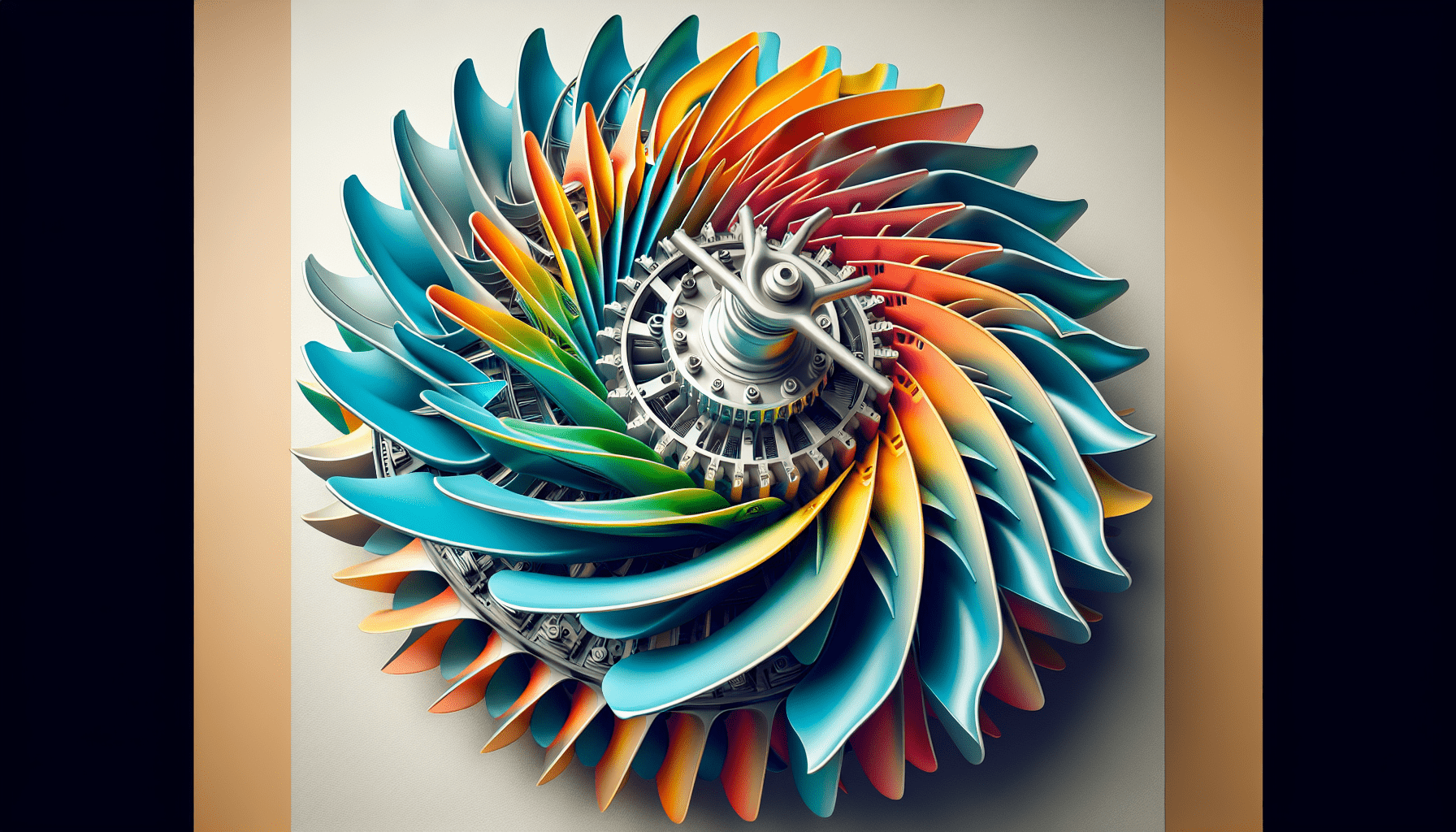
Velocity flow meters measure the velocity of the flowing water to calculate the flow rate. They utilize different techniques such as turbines, ultrasonic sensors, and electromagnetic fields to determine the velocity accurately. Turbine flow meters, for example, use a rotor with blades that rotate as water flows through them. Ultrasonic and electromagnetic flow meters, on the other hand, utilize sound waves and magnetic fields, respectively, to measure velocity. Velocity flow meters offer high accuracy and can handle a wide range of flow rates, but they may be sensitive to turbulence and require proper installation for optimal performance.
Positive Displacement Flow Meters
Positive displacement flow meters operate by capturing and measuring discrete volumes of water as it passes through the meter. They use mechanisms like nutating discs, oval gears, or pistons to generate pulses, which are then counted to determine the flow rate. Positive displacement meters are highly accurate and suitable for both low and high flow rates. However, they may be affected by viscosity and require periodic maintenance to ensure their accuracy.
Open Channel Flow Meters
Open channel flow meters are specifically designed to measure the flow of water in open channels such as rivers, canals, or irrigation channels. They rely on the principles of hydraulic engineering, utilizing structures like weirs or flumes to measure the water level and calculate the flow rate. Open channel flow meters are essential in managing water resources, flood control, and irrigation systems. They provide accurate measurements in challenging environments, but their installation and maintenance can be more complex compared to other types of flow meters.
Mass Flow Meters
Mass flow meters directly measure the mass of water flowing through a pipe or channel. They are often used in industrial applications where precise measurement of mass is required. Coriolis flow meters, thermal flow meters, and Doppler flow meters are some common types of mass flow meters. Coriolis flow meters utilize the Coriolis effect to measure mass flow rate, while thermal flow meters rely on the cooling effect of the flowing water. Doppler flow meters, on the other hand, use ultrasonic signals to measure changes in frequency caused by the movement of water particles. Mass flow meters offer high accuracy and can handle a wide range of flow rates and fluid properties, but they can be more expensive compared to other types of flow meters.
Factors to Consider When Choosing a Water Flow Meter
When selecting a water flow meter, several factors need to be considered to ensure optimal performance and accurate measurements. Here are some key factors to keep in mind:
Flow rate range
It is essential to choose a flow meter that can handle the expected flow rate range for your specific application. Some meters may be more suitable for low flow rates, while others are designed for higher flow rates.
Fluid type and properties
Consider the type of fluid being measured when selecting a flow meter. Different meters are designed to handle specific fluids and their properties such as viscosity, temperature, and conductivity. It is crucial to choose a meter that is compatible with the fluid being measured.
Accuracy requirements
Determine the level of accuracy required for your application. Some meters offer higher accuracy than others, but they may come at a higher cost. Consider the trade-off between accuracy and budget when selecting a flow meter.
Installation requirements
Each type of flow meter has different installation requirements. Consider factors such as pipe size, installation space, mounting position, and accessibility when choosing a flow meter. Ensure that the selected meter can be easily installed and maintained in your specific setup.
Cost considerations
Cost is an important factor to consider when selecting a flow meter. The initial cost of the meter, as well as any ongoing maintenance costs, should be taken into account. It is essential to choose a meter that provides the required performance at a reasonable cost.
In conclusion, water flow meters are essential tools for monitoring and managing water usage. They come in various types, each with its own advantages and limitations. Considering factors such as flow rate range, fluid type, accuracy requirements, installation requirements, and cost considerations can help guide the selection of an appropriate water flow meter for your specific needs. By choosing the right meter and utilizing it effectively, you can contribute to water conservation efforts and identify any leaks or inefficiencies in your water distribution system.